
Understanding Fumigation and Pest Control Services
Pests can become a challenge in homes, offices, commercial buildings, warehouses, restaurants, and other shared spaces. In addition to causing discomfort, certain pests can contaminate food, damage property, and create hygiene concerns if left unmanaged.
Fumigation and pest control services help manage these problems through appropriate treatment methods, prevention measures, and ongoing monitoring. However, the terms are often used interchangeably, even though fumigation is a specific treatment method within the broader field of pest management.
Understanding how these services work, when they may be necessary, and how to choose a suitable provider can help property owners and businesses make informed decisions about protecting their premises.
1. What Is Pest Control?
Pest control refers to the methods used to prevent, manage, and eliminate unwanted organisms that affect people, property, food supplies, or the surrounding environment.
Common pests include cockroaches, ants, rodents, termites, mosquitoes, flies, bedbugs, and other insects. The appropriate control method depends on the type of pest, the level of infestation, the location, and the conditions allowing the pests to thrive.
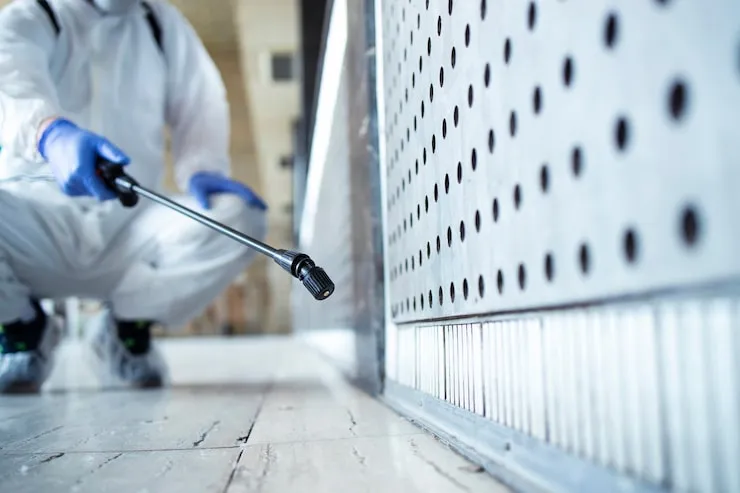
Professional pest control services typically begin with an inspection to identify the pest, assess the affected areas, and determine the most suitable treatment approach. Depending on the circumstances, treatment may involve targeted application of approved pesticides, baiting systems, traps, physical removal, exclusion measures, or improvements to sanitation and storage practices.
Effective pest management also considers the underlying causes of infestations. Food residues, standing water, uncovered waste, cracks in walls, and poorly sealed entry points can attract pests or provide places for them to breed and shelter. Addressing these conditions alongside treatment can help reduce the likelihood of recurring infestations.
2. What Is Fumigation?
Fumigation is a specialised pest control method that involves using a fumigant, typically a gas, to eliminate pests within a defined and appropriately controlled space or enclosed commodity. It may be used in certain warehouses, storage facilities, shipping containers, agricultural commodities, and other settings where the target pests and treatment conditions require this approach. Unlike many conventional pest control treatments, fumigation can reach pests in locations that are difficult to access directly. However, its suitability depends on the structure, the materials being treated, the pest species, and the specific treatment requirements.
Fumigation is not necessary for every pest problem. Many common infestations can be managed through targeted treatments, traps, baiting, sanitation improvements, or integrated pest management. Because fumigants can be highly hazardous to people and animals, fumigation must be undertaken by appropriately qualified and authorised professionals using suitable containment, monitoring, and safety procedures. The treated area must remain restricted until the required safety checks confirm that it is safe to re-enter. Property owners should never attempt fumigation themselves using unapproved chemicals or improvised methods.
3. Common Pests Managed by Professional Services
Different environments attract different pests, and identifying the specific problem is an important part of selecting the right treatment.
Cockroaches and ants: These insects may enter buildings in search of food, water, and shelter. Effective management often combines targeted treatment with improved food storage, cleaning, and the sealing of entry points.
Rodents: Rats and mice can contaminate food, damage materials, and create risks through their droppings and urine. Control measures may include appropriate traps, secure waste storage, and exclusion methods that prevent access to buildings.
Termites: Termites can damage timber and other cellulose-containing materials. Their management may require specialised inspection and treatment based on the species, extent of activity, and construction of the property.
Bedbugs: These pests can spread through furniture, luggage, bedding, and other items. Successful treatment often requires a carefully planned approach that addresses affected areas and follows the provider's preparation instructions.
Mosquitoes and flies: These insects can become persistent problems where standing water, exposed waste, or other breeding conditions are present. Source reduction and environmental management are important parts of controlling them.
The treatment selected should reflect the pest involved rather than relying on the same method for every infestation.
4. Why Professional Fumigation and Pest Control Matter
Professional pest management offers several benefits when services are selected according to the needs of the premises.
Protecting health and hygiene
Some pests can contaminate food, surfaces, and storage areas. Appropriate pest management helps reduce these concerns, particularly in kitchens, restaurants, food storage facilities, offices, and other environments where hygiene is important.
Protecting property and goods
Certain pests can damage furniture, electrical wiring, structural timber, packaging, and stored products. Early identification and appropriate treatment can help limit further damage.
Supporting business operations
An unmanaged infestation may disrupt business activities, affect customer confidence, or create difficulties in maintaining hygiene standards. Planned pest control can help businesses maintain their premises and respond to problems before they become more disruptive.
Reducing recurring infestations
Treating visible pests without addressing their source may lead to repeated problems. Professional services can help identify contributing conditions and recommend preventive measures that reduce the likelihood of recurrence.
5. What to Expect During a Professional Pest Control Service
The exact process depends on the pest and treatment method, but a professional service generally follows several stages.
Inspection and assessment: The provider identifies the pest, examines affected areas, and assesses the extent of the problem.
Treatment planning: A suitable control method is selected, taking into account the premises, occupants, pets, sensitive materials, and environmental considerations.
Preparation: The client receives instructions on any necessary preparation, such as clearing specific areas, protecting food, securing belongings, or temporarily vacating the premises.
Treatment: Trained personnel carry out the agreed treatment using appropriate products, equipment, and safety procedures.
Safety checks and re-entry: Where required, the provider establishes when the premises can safely be re-entered and communicates any restrictions or ventilation requirements.
Follow-up and prevention: Some infestations require repeat visits, monitoring, or additional preventive measures. The provider should explain the expected treatment outcome and any ongoing responsibilities.
Clients should ask about the products and methods being used, relevant licences or authorisations, safety precautions, follow-up arrangements, and the expected scope of the service.
6. How to Choose a Pest Control Provider
Choosing a suitable provider involves more than comparing prices. Businesses and property owners should consider the provider's relevant qualifications, experience with the particular pest, treatment methods, safety practices, and compliance with applicable regulations. A reliable provider should explain the proposed treatment clearly, identify any preparation requirements, communicate potential risks, and provide appropriate post-treatment instructions.
It is also useful to establish whether the quoted service includes inspection, treatment, follow-up visits, and preventive recommendations. This helps avoid misunderstandings about what the service covers. For businesses operating in food handling, hospitality, healthcare, or storage environments, pest management may need to form part of a broader hygiene and facility maintenance programme.
Conclusion
Fumigation and pest control services play an important role in protecting buildings, goods, and shared environments from pest-related problems. While fumigation is a specialised treatment used in particular circumstances, many infestations are better managed through other targeted methods and preventive measures.
The most effective approach begins with correctly identifying the pest, understanding the conditions contributing to the problem, and selecting an appropriate treatment delivered by qualified professionals. Combined with good sanitation, proper waste management, secure storage, and regular monitoring, professional pest management can help maintain cleaner, safer, and better-protected premises.